What is military and strategic logistics?
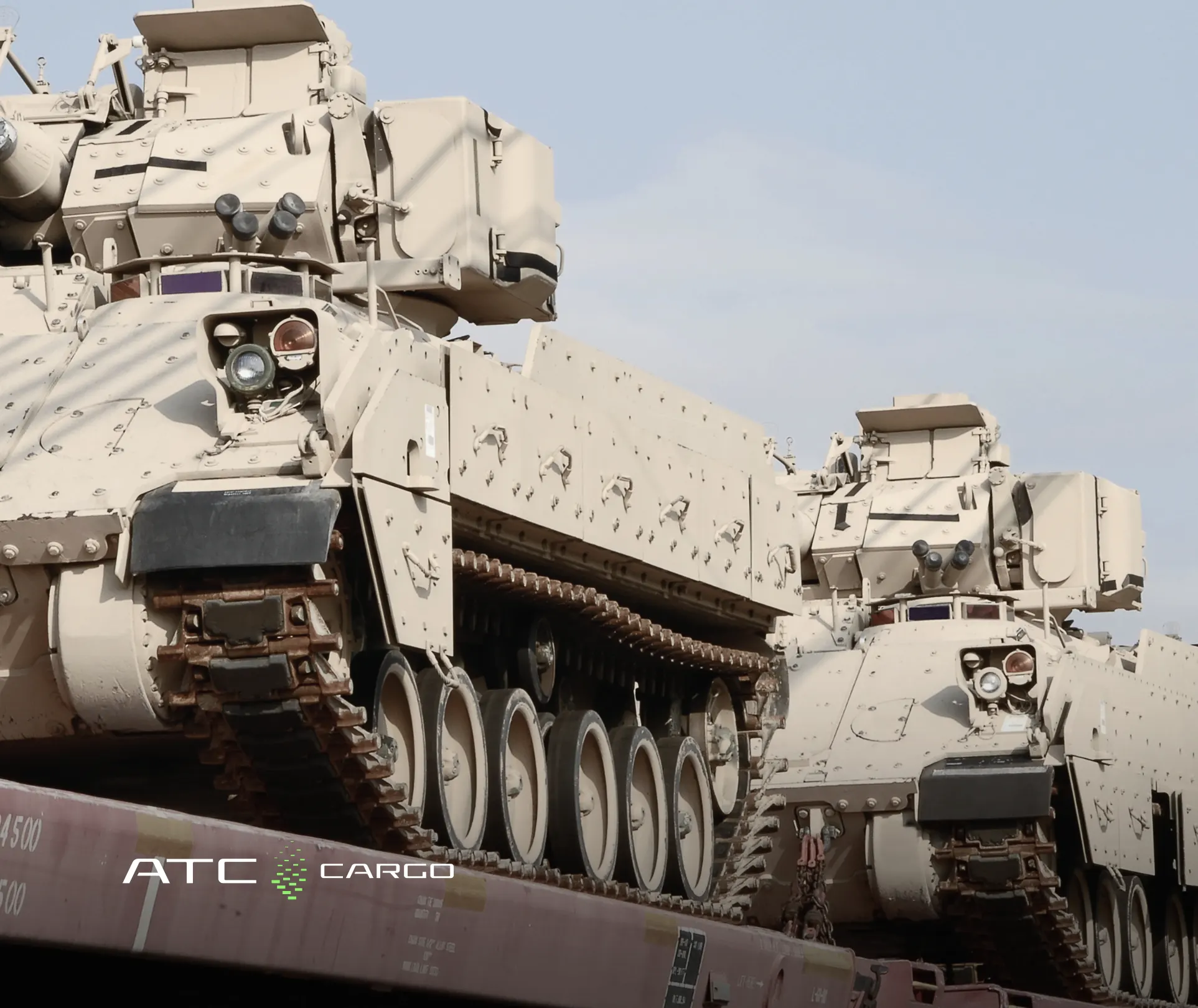
Military transport and the handling of strategic goods are among the most demanding areas of logistics. In addition to organising transportation, they require knowledge of security procedures, export regulations and regulations governing the trade of specialised goods. In practice, this means coordinating multiple processes simultaneously – from selecting the appropriate mode of transport and handling customs clearance to ensuring compliance with the requirements of national and international institutions.
What are strategic goods?
Strategic goods are products, technologies and equipment subject to specific regulations governing their export, import and transit. This category may include, among others:
- military equipment,
- dual-use technologies,
- specialised industrial components,
- selected electronic equipment,
- products subject to export controls.
Their trade requires appropriate documentation and compliance with procedures arising from applicable regulations.
Download the practical guide
We have prepared a guide covering the key issues related to military logistics, strategic transport and the requirements governing the trade in strategic goods.
Download the free ATC Cargo guide
How is military transport organised?
Transport consulting and planning
Each project requires an analysis of the type of goods, destination and applicable legal restrictions.
Selection of the mode of transport
Depending on the nature of the cargo, different modes of transport may be used:
- sea freight,
- air freight,
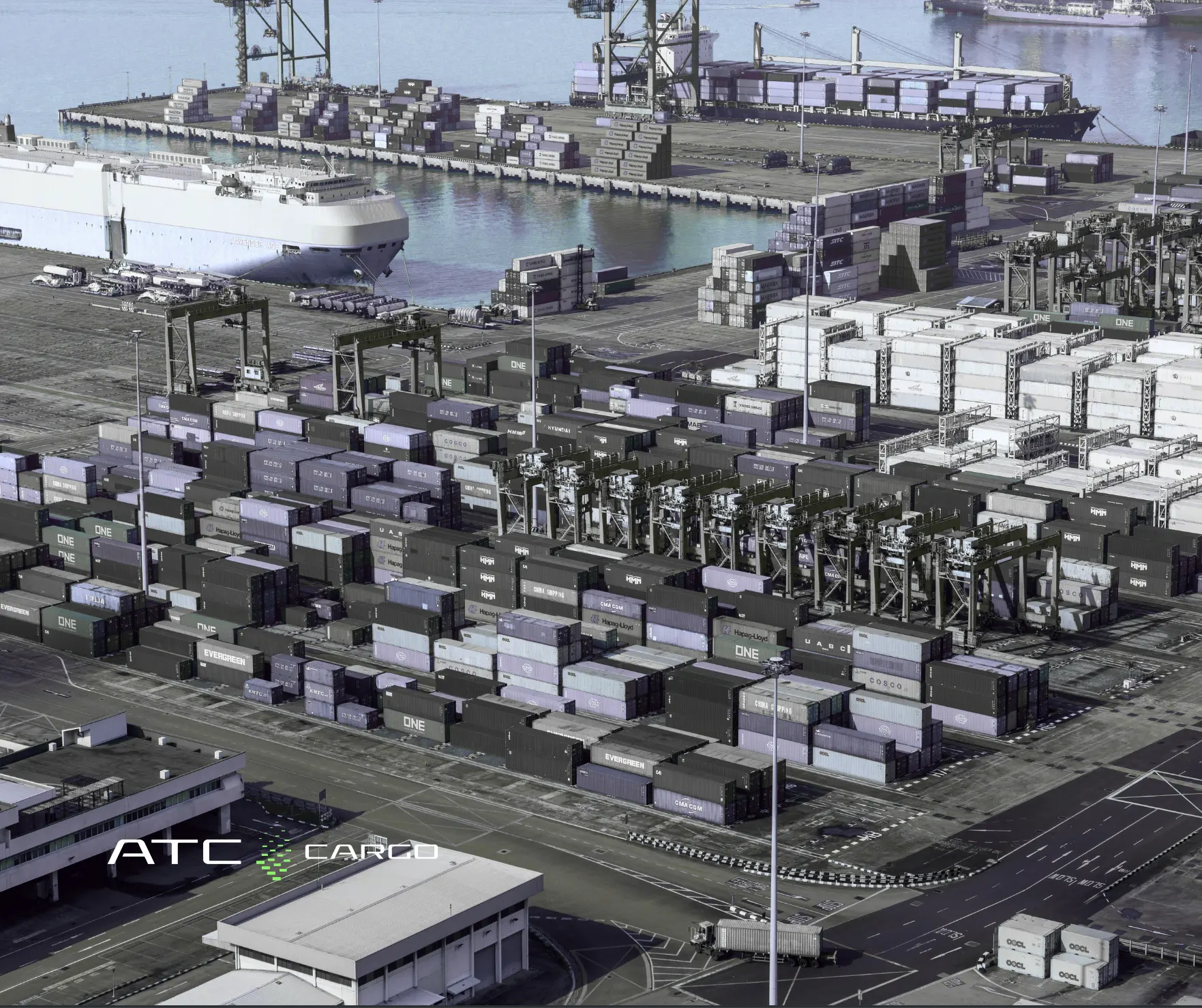
- rail freight,
- intermodal transport.
Formalities and customs clearance
A key element is preparing the required documentation and providing support with customs procedures related to imports, exports and transit.
Why are certificates and security procedures so important?
In military logistics, timely delivery is not the only priority. Compliance with security requirements is equally important.
Companies involved in such projects often hold certifications confirming the quality of their processes and their ability to participate in the trade of strategic goods. Examples include:
- Internal Control System (WSK),
- ISO 9001 certification,
- NATO NCAGE code.
(Graphic – depending on the template capacity)
What are the challenges of military logistics?
The most common challenges include:
- complex administrative procedures,
- security requirements,
- export restrictions,
- the need to coordinate multiple parties,
- responsibility for documentation compliance.
For this reason, such projects require experience in both freight forwarding and customs procedures.
Comprehensive logistics services for the defence sector
Effective organisation of military transport requires a combination of logistics, customs and administrative expertise. A comprehensive approach helps minimise risk, ensure regulatory compliance and guarantee the timely execution of deliveries both domestically and internationally.
Need support with strategic transport?
Military transport and the trade of strategic goods require experience, knowledge of applicable procedures and reliable logistics infrastructure. The ATC Cargo team supports clients with:
- domestic and international transport,
- air, sea and road freight forwarding,
- customs procedures,
- handling of strategic goods,
- organisation of specialised transport.
Artur Przybyłowski,
External Sales Manager
+ 48 797 595 532
a.przybylowski@atc-cargo.pl